
The TSX entered the final stretch of July near a record high. That sounds like a strange invitation to buy stocks, yet an expensive market can still contain individual companies trading well below their highs. The index may be partying. Not every guest received the memo.
August investors shouldn’t attempt to predict what the entire market will do next. A calendar month isn’t an investment thesis, and stocks don’t become more cooperative simply because someone packed sunscreen.
The Bank of Canada recently held its policy rate at 2.25%, noting that Canadian growth is improving while inflation should gradually ease. Trade uncertainty and geopolitical risks remain, however, making diversification particularly useful.
A sensible August watchlist can therefore combine stability, income, growth, and powerful long-term trends. Investors buying stocks in Canada should still build positions gradually and hold enough companies or ETFs to survive when one brilliant idea behaves rather less brilliantly. That said, these are the top options I would consider on the TSX today.
Source: Getty Images
RY
Royal Bank of Canada (TSX:RY) provides the financial foundation. RBC stock earned $5.5 billion in its second quarter, while its 13.5% CET1 capital ratio provides protection against loan losses. Management also raised the quarterly dividend 7% and announced plans to repurchase up to 45 million shares.
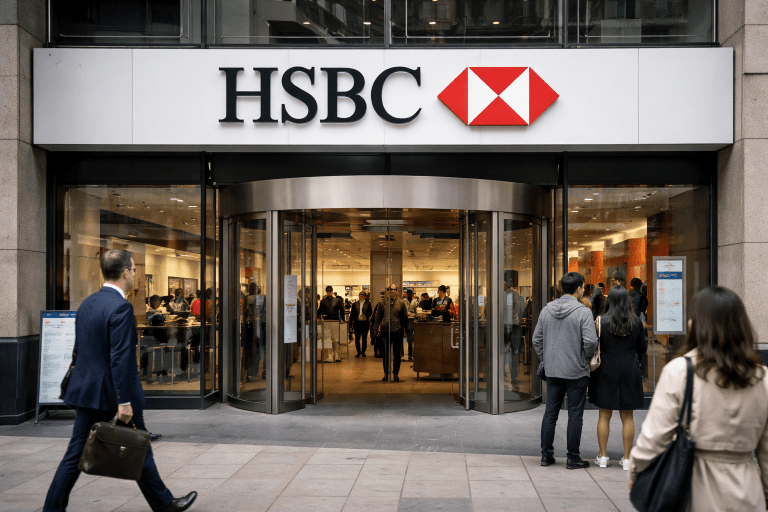
At approximately 18.9 times trailing earnings, RBC stock isn’t cheap, while a recession could increase provisions. Yet its scale, wealth-management business, and HSBC Canada acquisition still offer several routes to future growth.
FTS
Fortis (TSX:FTS) offers considerably less excitement, but that can be beautiful. Its regulated electric and gas utilities serve 3.5 million customers. A $28.8 billion capital plan should grow the rate base by approximately 7% annually through 2030, supporting management’s 4% to 6% dividend-growth target.
The shares trade near 23 times expected 2026 earnings and yield roughly 3.1%. For investors, debt, interest rates, and regulatory decisions remain the main risks.
SHOP
Shopify (TSX:SHOP) supplies the growth. Its platform helps merchants build stores, process payments, manage inventory, and sell through social media and artificial-intelligence (AI) channels. First-quarter revenue jumped 34%, while free cash flow reached US$476 million.
Shopify stock also expanded its share-repurchase authorization to US$5 billion after the stock fell more than 27% during 2026. The valuation remains demanding, and competing AI shopping tools could threaten its advantage. That risk has also created the opportunity.
CCO
Cameco (TSX:CCO) provides exposure to nuclear power as electricity demand rises from data centres, manufacturing, and grid electrification. Its uranium mines supply reactor fuel, while Westinghouse provides nuclear technology and services. Cameco stock’s share of Westinghouse’s first-quarter adjusted earnings before interest, taxes, depreciation and amortization (EBITDA) climbed 33% to $122 million.
Cameco stock has fallen approximately 25% over three months, although it remains expensive after a spectacular five-year run. Uranium prices, production problems, and project delays can all create sharp swings.
TOU
Tourmaline Oil (TSX:TOU) completes the list with natural gas and dividends. Canada’s largest gas producer generated $202 million in first-quarter free cash flow and ended March with net debt equal to only 0.4 times cash flow. Management forecasts approximately $900 million in free cash flow for both 2026 and 2027 as LNG-linked pricing expands.
The $2 annual base dividend yields roughly 3.1%, with special payments offering possible bonus income. Yet weak gas prices remain the obvious troublemaker.
Bottom line
Past performance doesn’t provide a crystal ball, although it can supply a useful calculator. The following illustration applies each stock’s share-price compound annual growth rate (CAGR) from the last four years.
A chosen starting date can obviously change a projection dramatically. Investors with sufficient room could hold them inside a Tax-Free Savings Account (TFSA), allowing the dividends and potential gains to compound tax-free. August may only provide the starting date. The real opportunity needs years to do its best work.